NeuRader hooks into your Ansible controller and captures every playbook execution — which nodes ran, which succeeded, which failed, and exactly why. Zero ports. Zero daemons. One binary.
$ curl -L https://neurader.cloud/install.sh | sudo bash
Run one command. NeuRader auto-detects your Ansible installation, wires up the callback plugin, and starts recording every playbook execution automatically.
Download the binary for your arch. Run sudo neurader init. The setup wizard handles everything.
Detects your distro, Ansible install method (apt / pip / pipx), callback plugin directory, and ansible.cfg. Zero manual config.
Writes neurader_callback.py into your Ansible callback dir and patches ansible.cfg automatically.
Use ansible-playbook exactly as you always have. NeuRader captures every run silently in the background.
Each run writes a JSON log and fires alerts to Slack, PagerDuty, Jira, Teams, and more — automatically.
Every run syncs to Grafana automatically. NeuRader creates the datasource, imports the dashboard, and pushes each run in the background.
Every playbook run is assessed automatically. Failures trigger all configured channels simultaneously — no manual steps, no monitoring. NeuRader fires and forgets.
You run ansible-playbook as usual. NeuRader callback captures everything silently in the background.
post-run reads the log, identifies failures, collects host names, task details, modules, args, stderr.
All configured channels fire simultaneously — Slack, PagerDuty, Jira — in under one second.


Each playbook run produces a clean JSON file named playbook_date_time.json. Every managed node is captured with its exact outcome.
{ "playbook": "site.yml", "start_time": "2026-03-08T14:29:45Z", "total_hosts": 3, "hosts": { "node1": { "status": "success" }, "node3": { "status": "failed", "failed_tasks": [{ "task_name": "Install packages", "module": "yum", "msg": "No package nginx available", "rc": 1, "task_args": { "name": "nginx", "state": "present" } }] } } }
Everything through one binary. No config files to edit, no services to manage.
Detects Ansible, creates directories, installs callback plugin, patches ansible.cfg, sets up log cleanup scheduler.
Shows all recorded playbook runs newest first — playbook name, timestamp, total hosts, success/fail counts.
Full per-host results. Failed hosts show all failed tasks with name, module, args, stderr, rc. Success hosts show count only.
Show the most recent playbook run. Use --failed to filter failed/unreachable hosts only.
Per-host success/failure stats across all runs. Shows success rate with ✓ healthy / ~ degraded / ✕ critical indicators.
Check if all inventory hosts are reachable right now. Filter by group with --group.
Show all hosts and groups from your Ansible inventory. Filter by group with --group.
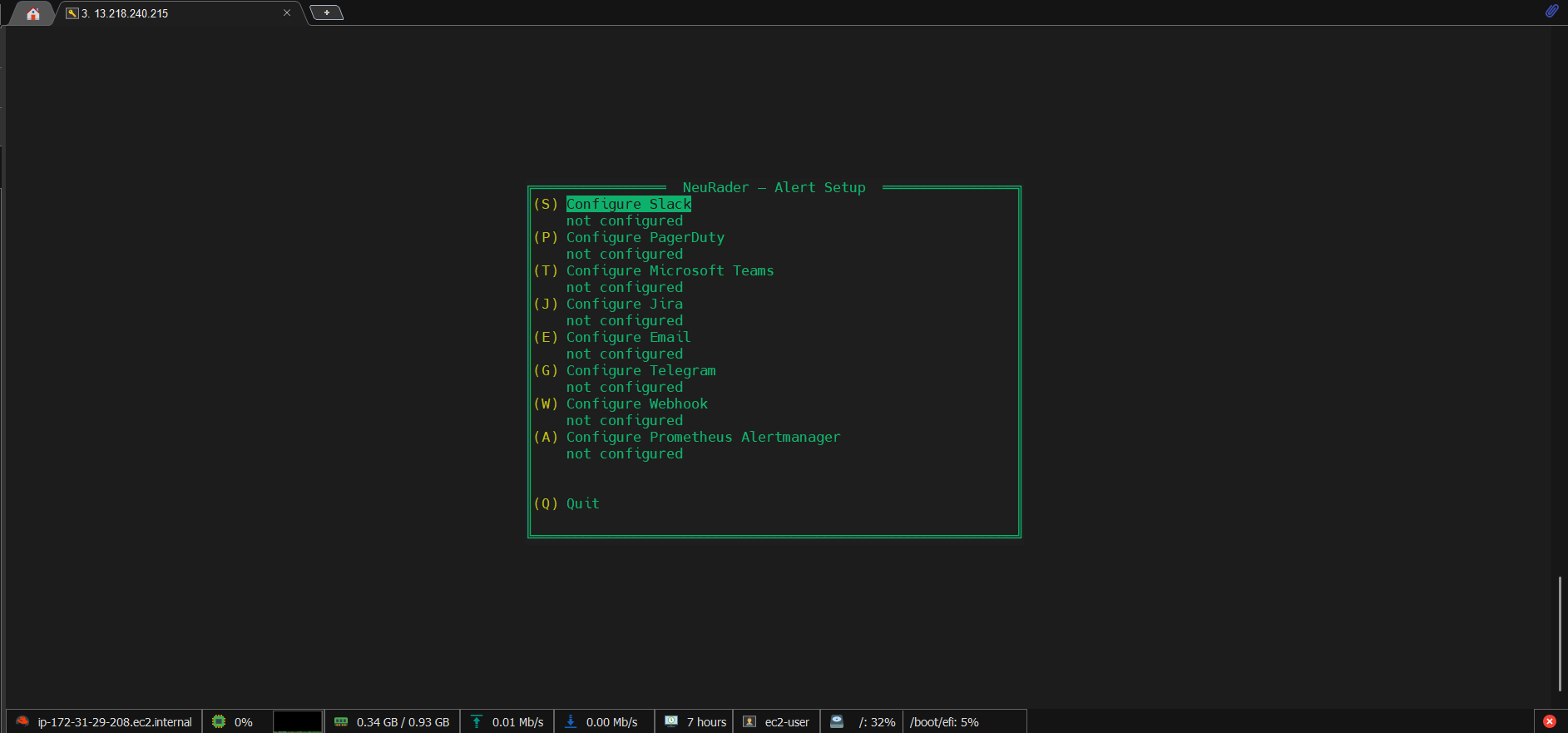
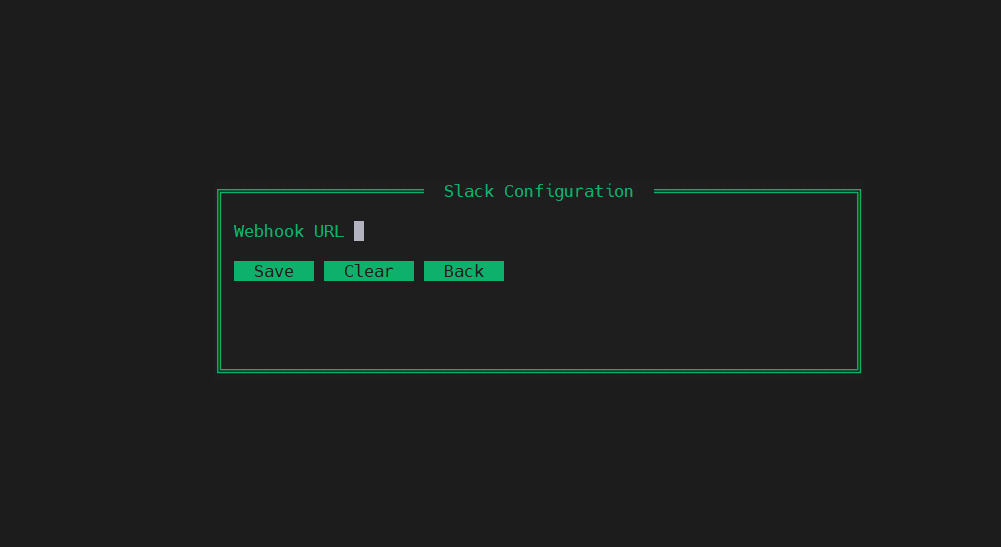
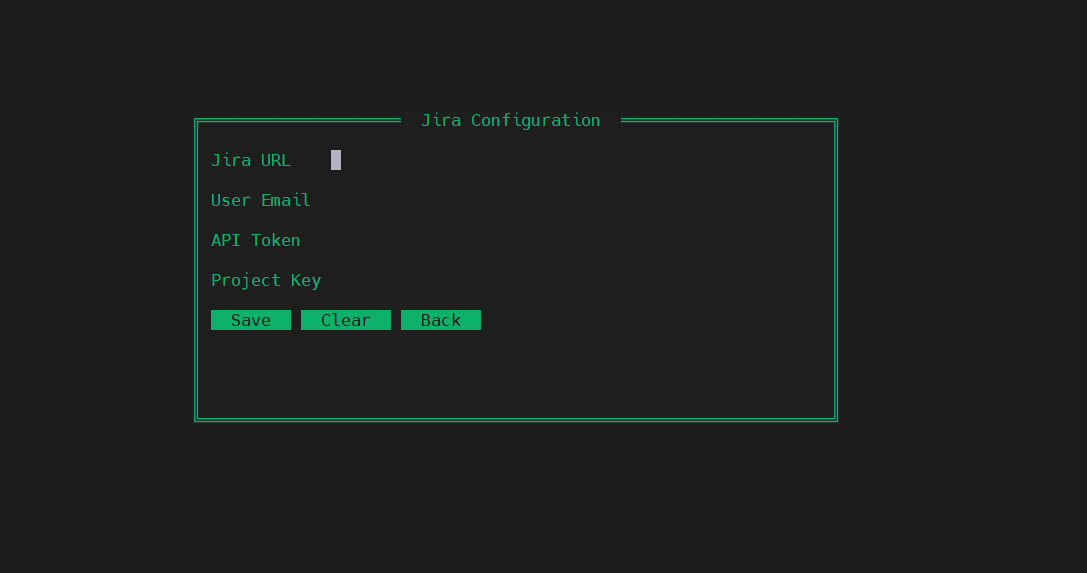
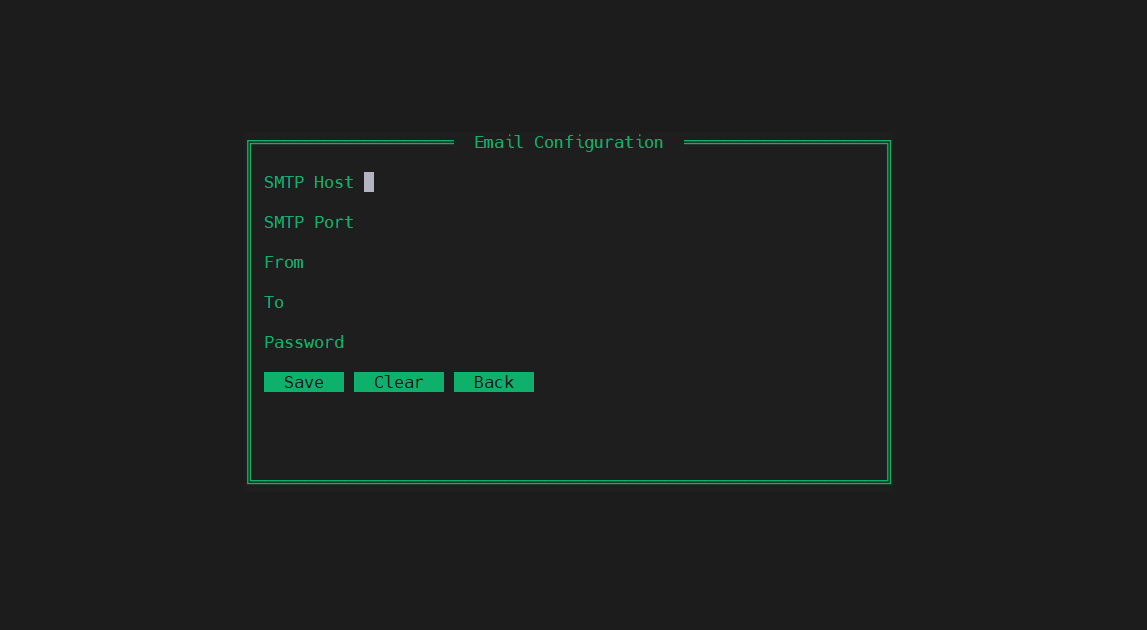
Interactive terminal UI (like nmtui) to configure Slack, PagerDuty, Jira, Teams, Email, Telegram, Webhook, Alertmanager.
Send a test alert to all configured channels. Shows ✓ or ✗ per channel before a real incident occurs.
Push all existing logs to Loki/Grafana. Needed once when you first connect Grafana.
Install Loki, create datasource and import the pre-built dashboard into Grafana automatically.
Shows current config: log dir, retention, callback path, ansible.cfg, Grafana endpoint, alert channels configured.
NeuRader creates a datasource and imports a pre-built dashboard. Every run pushes automatically — no manual steps needed.
A single statically linked Go binary with zero dependencies. Supports every architecture and every major Linux distribution.
NeuRader was designed with one rule: it should never get in your way.
The Ansible controller exposes nothing. No HTTP server, no background service. The Python callback writes directly to disk. The Go binary runs only when invoked.
neurader init does everything: creates directories, detects Ansible, installs the plugin, patches ansible.cfg. You never touch a file.
The Python callback, systemd units, Grafana dashboard, and TUI are all embedded inside the Go binary. Download one file. That's the entire tool.
Slack, PagerDuty, Teams, Jira, Email, Telegram, Webhook, Alertmanager — all fire simultaneously on failure. Configure with neurader alert-setup.
Configure your retention period once. NeuRader automatically deletes logs older than your threshold via a systemd timer or cron fallback.
One command sets up the datasource and imports the dashboard. Works with Grafana on any infrastructure — bare metal, Docker, Kubernetes, cloud-hosted.
One binary. One command. Full visibility, instant alerts, and a Grafana dashboard — across your entire fleet.